Contents (11 sections)
Understanding Wildlife Photography
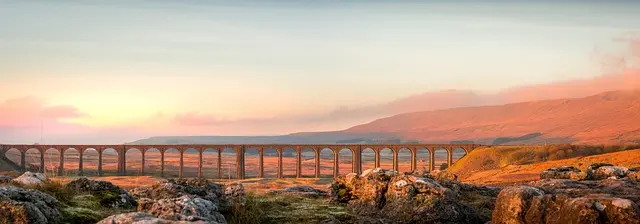
Getting started in wildlife photography involves understanding what makes this genre unique. Unlike other forms of photography, wildlife photography is about capturing spontaneous moments in nature. This means learning to work in varied conditions, from the foggy moors of Scotland to the rolling hills of the Yorkshire Dales. Wildlife photography is not just about having the best equipment; it's about patience and observation, allowing you to capture the essence of the British countryside and its inhabitants.
Many beginners underestimate the challenge posed by shooting wildlife. According to The Photography Institute, understanding animal behaviour is crucial in predicting movements and positions for the perfect shot. Wildlife photography in the UK offers unique subjects such as the majestic red deer or the elusive fox, both of which can provide compelling content against the diverse British landscapes.
Choosing the Right Equipment
Having the right equipment can make a significant difference in wildlife photography. A good starter kit often includes a DSLR or mirrorless camera with a telephoto lens, essential for capturing distant subjects like birds in flight. For beginners, an entry-level camera like the Nikon D3500 or Canon EOS 250D can be ideal. While these models are budget-friendly, they offer sufficient features to support emerging wildlife photographers.
Additionally, investing in a sturdy tripod is essential. Wildlife photography often requires long periods of waiting for the right moment, and a tripod ensures stability. According to Which?, lightweight carbon fibre tripods are preferred for their durability and ease of transport. Don't forget weather protection for your gear; the UK's unpredictable weather means a rain cover for your camera could save your equipment in unexpected showers.
Understanding Light and Composition
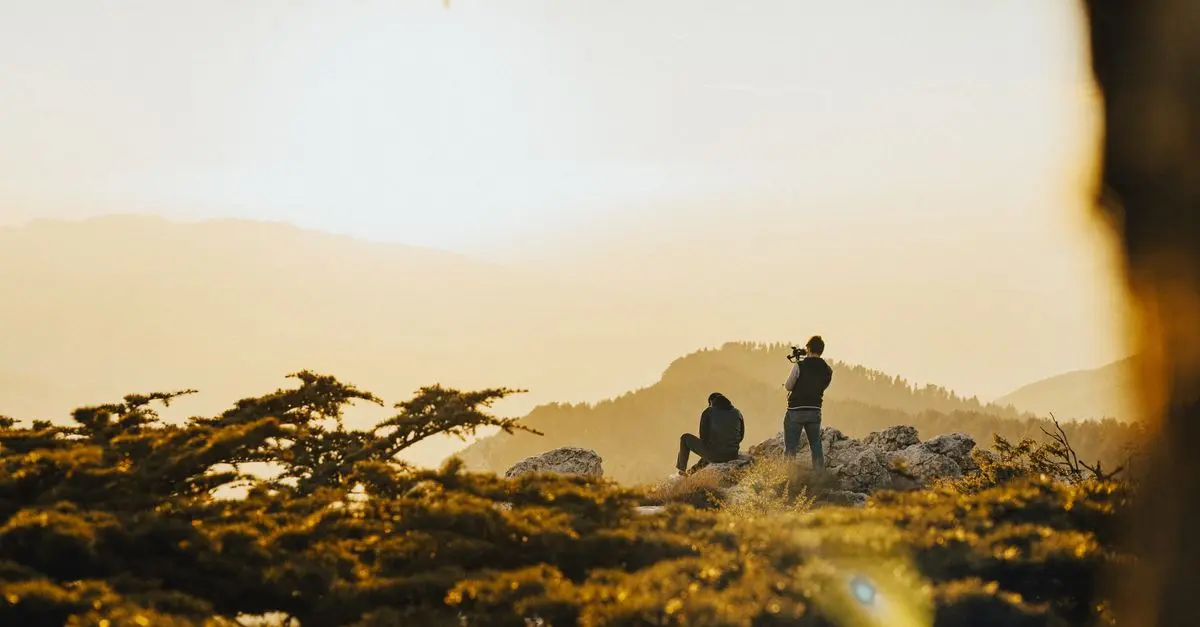
Photography is fundamentally about light, and this is particularly true for wildlife photography. The time of day you shoot can drastically alter the image quality. Early morning or late afternoon, often referred to as the 'golden hours', provide natural, soft lighting that enhances the subject's features. The Royal Photographic Society emphasises the importance of light direction — shooting with the sun behind you can cast your subject in dramatic light and reveal intricate details.
Composition is equally important. Using techniques like the rule of thirds or leading lines helps create visual interest and directs the viewer’s eye to the subject. Observing how National Geographic photographers use natural environmental elements to frame subjects can inspire beginners to creatively compose their shots.
Mastering Animal Behaviour
Understanding animal behaviour is a skill that separates average photos from outstanding ones. Patience and research go a long way in predicting animal movement. Spend time observing your subjects before capturing their photograph. This knowledge not only aids in capturing dynamic shots but also ensures the animal is at ease, reducing stress-induced behaviours.
Photographer Chris Packham advises spending time studying animals in books or documentaries, noting typical signs of behaviour like how a squirrel twitches its tail or the way a bird ruffles its feathers. This understanding helps in anticipating the perfect moment for snapping a photograph, ensuring a more natural and engaging image.
Practising Stealth and Patience
Wildlife photography demands silence and subtlety. Animals are sensitive to noise and movement, making stealth pivotal. Blending into your environment using camouflage clothing and keeping movements minimal is recommended. According to BBC Wildlife Magazine, many successful photographers spend hours, sometimes days, in hides or blind spots to capture shy species.
Patience is equally vital. Unlike studio photography, wildlife photography involves waiting for the perfect moment, which can be just seconds long. Seasoned wildlife photographers often advise beginners to enjoy the process, embracing the time spent in nature as much as the final result.
Editing Your Photos
Editing is the final step in creating striking wildlife images. Software like Adobe Lightroom enables photographers to correct light and colour imbalances, ensuring the final image resembles the scene as closely as possible. It's important to maintain the natural authenticity of wildlife shots while enhancing details.
Experimentation with contrast, shadows, and highlights can dramatically affect the composition. However, over-editing can lead to loss of detail and an unnatural look. TechRadar recommends regularly calibrating your monitor for accurate colour representation in your photos. Exploring free editing options like GIMP can also be a practical starting point for budget-conscious beginners.
Staying Safe and Ethical
Ethical considerations in wildlife photography are paramount. Maintaining a safe distance from creatures ensures you're neither in harm's way nor distressing the animals. The RSPB advises keeping at least 30 feet away from nesting birds. Furthermore, avoid any actions that alter natural behaviours or habitats.
Respect for wildlife and adherence to local guidelines ensure minimal environmental impact, contributing to the conservation effort. This approach not only reflects professional ethics but also preserves the natural beauty and behaviour for future generations to enjoy and photograph.
Glossary
| Term | Definition |
|---|---|
| Telephoto Lens | A lens designed for photographing distant subjects by magnifying them. |
| Golden Hour | The period shortly after sunrise or before sunset when the light is softest. |
| Rule of Thirds | A composition principle that divides the image into nine equal segments. |
Checklist
- [ ] Select a suitable entry-level camera and lens
- [ ] Plan a shooting trip during the golden hours
- [ ] Study the behaviour of the local wildlife
- [ ] Pack weather protection for camera gear
- [ ] Always maintain ethical distance from wildlife
📺 Resource Vidéo
> 📺 Pour aller plus loin : [How to Capture Stunning Wildlife Photography], a comprehensive analysis of capturing the diverse fauna across the UK. Recherchez sur YouTube : "wildlife photography tutorial UK".
🧠 Quiz rapide : What is the best time of day for wildlife photography?
- A) Midday
- B) Early morning or late afternoon
- C) Midnight
Réponse : B — Early morning or late afternoon, known as the golden hour, offers ideal lighting conditions.