Contents (15 sections)
Introduction
The United Kingdom boasts diverse and fascinating landscapes, offering wildlife enthusiasts numerous opportunities to observe some of the most extraordinary creatures in their natural habitats. Whether it's the rugged coastlines or lush green forests, there are abundant places for exceptional wildlife watching experiences.
1. The Scottish Highlands
The Scottish Highlands are a haven for wildlife watchers, offering dramatic landscapes and a variety of wildlife including eagles, deer, and seals. One can explore areas like Cairngorms National Park, where the mountainous terrain provides an ideal backdrop for spotting golden eagles and peregrine falcons. According to VisitScotland, the region's biodiversity continues to thrive, making it one of the most popular destinations for nature lovers.
2. Norfolk Broads
Known as Britain's largest protected wetland, the Norfolk Broads is a unique landscape that offers a thriving habitat for a range of species. It's home to otters, kingfishers, and several rare bird species. A boat trip is an excellent way to explore this expansive area and observe wildlife in a peaceful setting. The biodiversity and the peacefulness of the waterways make it a prime spot for wildlife observation.
3. Pembrokeshire Coast
The Pembrokeshire Coast is known for its spectacular scenery and diverse wildlife. With the chance to see puffins, seals, and even dolphins off the coast, this area is a must-visit for wildlife enthusiasts. According to Visit Wales, Skomer Island, in particular, provides visitors a unique opportunity to see puffins in the wild, making the adventure both accessible and profoundly rewarding.
4. The New Forest
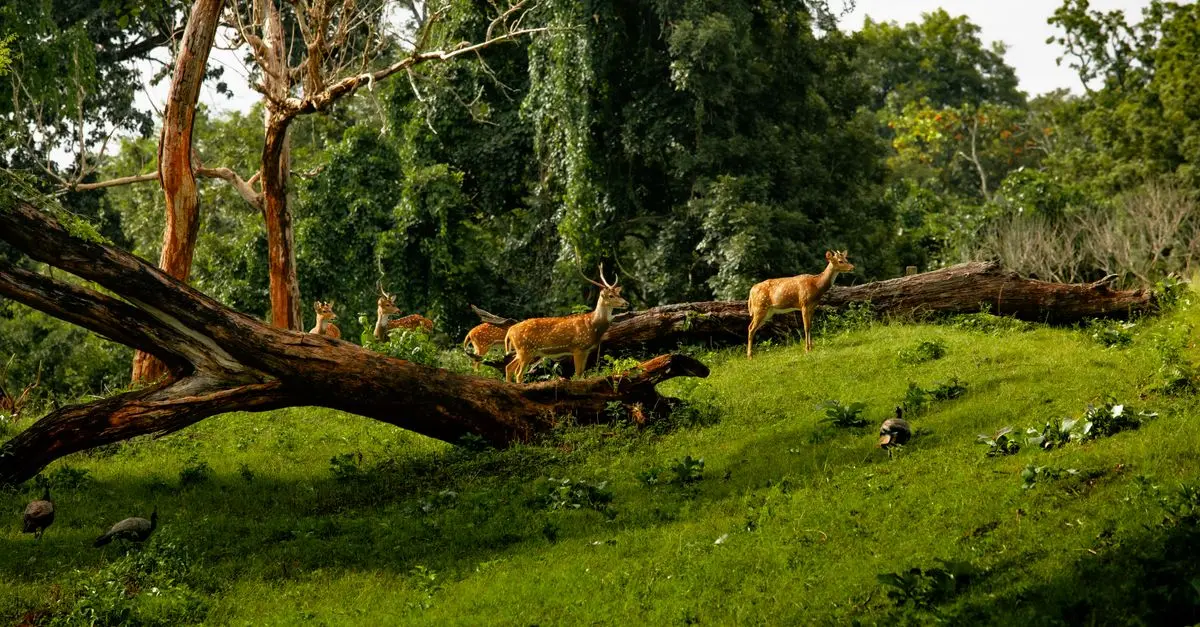
The New Forest in Hampshire is famed for its ancient woodlands and roaming wildlife such as ponies, deer, and various bird species. Established as a royal forest over 900 years ago, it retains a unique charm. Visitors can walk through its picturesque landscapes, providing ample opportunities for photography and nature observation. According to Natural England, the New Forest is one of the most important areas for wildlife in the UK.
5. Cairngorms National Park
As the largest national park in the UK, the Cairngorms offers unparalleled chances to observe unique wildlife. Home to species like the capercaillie and red squirrel, its diverse habitats support an abundance of wildlife. Hiking through this grand landscape, you're likely to encounter rare animals and experience the beauty of the Scottish wilderness firsthand.
6. Isle of Mull
The Isle of Mull is renowned for its beautiful scenery and rich wildlife, offering various bird species and marine life. Known for its eagles and whale-watching tours, it’s the ideal island for observing creatures in a maritime environment. Expert guides provide insightful tours that enrich the experience further, ensuring a memorable watching adventure.
7. Kielder Forest
The largest working forest in England, Kielder Forest is a fantastic destination for those looking to engage with wilderness. It hosts an array of wildlife including the elusive red squirrel and several bird species. Its vastness allows for extended exploration and wildlife observation. According to Forestry England, Kielder is also a dark skies reserve, offering unique night-sky experiences.
8. Yorkshire Dales
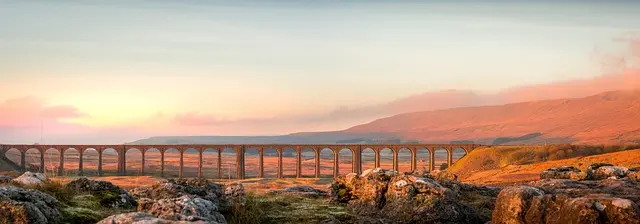
The Yorkshire Dales, with its expansive moorlands and valleys, is home to a myriad of wildlife. From the curlew’s haunting call to the sight of otters playing in the River Wharfe, this national park offers abundant wildlife watching opportunities. Guided walks and tours are available, adding depth to any exploration of this captivating landscape.
📺 Ressource Vidéo
> 📺 Pour aller plus loin : Wildlife Watching in the UK, a comprehensive guide to the species you might encounter and where to find them. Search on YouTube: "wildlife watching UK guide"
Conclusion
Wildlife watching in the UK provides diverse landscapes and an abundance of fauna to discover. From rugged coastlines to tranquil forests, opportunities for observing wildlife abound. Each location offers unique experiences influenced by its natural environment, making this pastime both enriching and exhilarating.
- What is the best time of year for wildlife watching in the UK?
Wildlife watching is best in spring and summer when animals are most active, although autumn offers its own unique sights.
- Do I need any special equipment for wildlife watching?
Binoculars and a good field guide are recommended to enhance the watching experience.
- Are there guided tours available for wildlife watching?
Yes, many locations offer guided tours that provide expert insights and increase the likelihood of sightings.
- Can wildlife watching be done at night?
Some locations, like Kielder Forest, offer night observations, particularly for stargazing and nocturnal animals.
Glossary
| Terme | Définition |
|---|---|
| Biodiversity | Variety of plant and animal life in a particular habitat. |
| Habitat | The natural environment in which a species or group of species lives. |
| Endemic Species | Species that are native to a specific location and found nowhere else. |