Contents (13 sections)
Understanding Street Art in the UK
Street art in the UK has evolved from an underground movement to a widely recognised and celebrated form of artistic and social expression. Originally perceived as a rebellious act of vandalism, street art has transformed into a respected medium that embodies cultural narratives and community identities. The progression from tagging to sophisticated muralism demonstrates the artistic growth and acceptance of street art in mainstream culture. Pioneering artists like Banksy have elevated its status, influencing public perception and encouraging appreciation for this vibrant art form. According to a study by Statista (2024), UK street art contributes significantly to cultural tourism, with London alone attracting over 3 million visitors annually to its street art sites.
The Historical and Cultural Context
Street art in the UK has deep historical roots, with its origins tracing back to the political graffiti of the 1970s. During this era, artists used public spaces as a canvas to voice dissent and provoke thought. The punk movement also played a significant role, with graffiti becoming a medium for cultural resistance. By the 1990s, cities like Bristol and Manchester witnessed the emergence of vibrant street art scenes. These cities became hubs where artists could challenge societal norms and express diverse cultural voices. The influence of graffiti cultures from the United States merged with the UK's rich art tradition, leading to a unique style that continues to evolve today.
The Techniques and Styles of UK Street Art
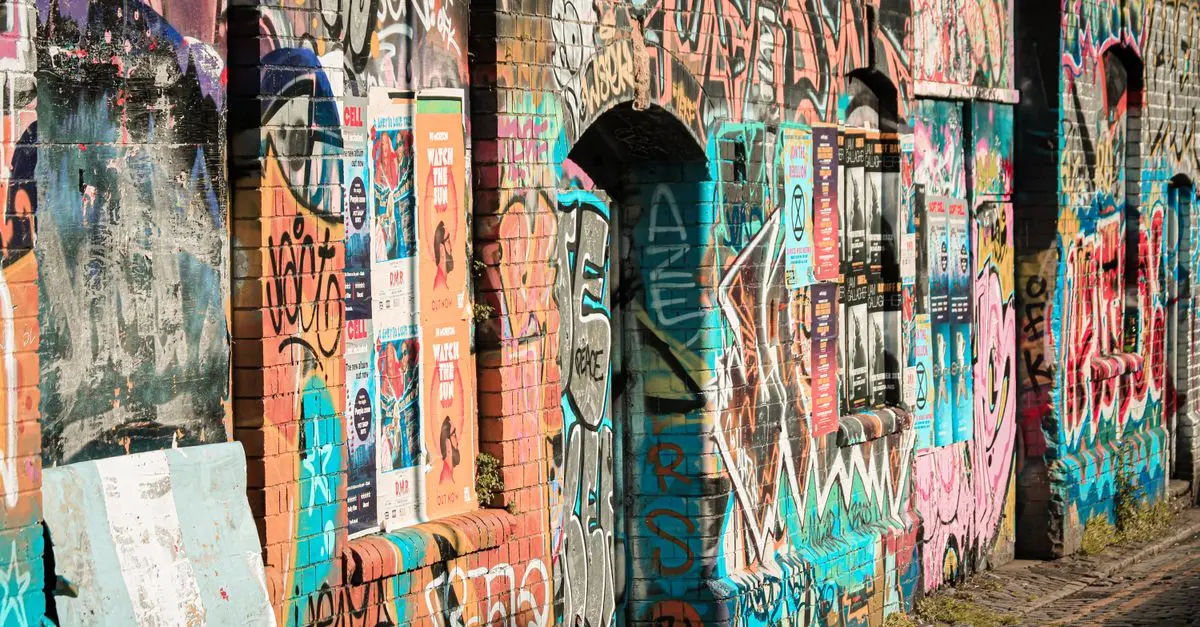
When examining the techniques and styles prominent in UK street art, it's clear that diversity and innovation are central to its appeal. Artists employ a range of methods from classic spray painting to stencilling and wheat pasting. The use of vibrant colours and storytelling elements often reflect social and political themes pertinent to British society. Furthermore, interactive and digital street art forms have started to emerge, integrating technology with traditional craftsmanship. Street artists often collaborate with local communities to create murals that resonate on a personal level, thereby enhancing the cultural and aesthetic landscape of neighbourhoods.
📺 Resource Video
> 📺 For further insight: Exploring the Best of UK Street Art, a comprehensive analysis of street art's impact and techniques. Search on YouTube: UK street art evolution 2026.
The Impact of Street Art on Urban Spaces
Street art has a profound impact on urban environments across the UK, breathing life into neglected spaces and fostering a sense of community pride. Research by UCL Urban Lab highlights how carefully curated street art can enhance urban aesthetics, attract tourism, and even increase economic activity. Areas like Shoreditch in London have become synonymous with street art, attracting artists and tourists alike. However, the debate continues over its legitimacy: is it visionary art or mere vandalism? The reality is nuanced; while some local councils embrace and commission street art as a means of artistic expression and urban beautification, others struggle to reconcile it with public property maintenance.
Analysing the Future Trends
As we advance into 2026, the future of street art in the UK looks promising, with technology playing an increasingly important role. Virtual reality and augmented reality add new dimensions to street art, allowing artists to create immersive experiences. The rise of eco-conscious art, using sustainable materials, reflects the growing environmental awareness within the art community. Projects led by organisations such as The British Council advocate for greener practices in art production, signalling a shift towards more responsible artistic endeavours. These innovations will likely drive street art to new heights, blending traditional techniques with modern technology to engage broader audiences.
Glossary
| Term | Definition |
|---|---|
| Muralism | The art of painting large scale artworks directly onto walls or ceilings as part of the building structure. |
| Stencil | A technique involving cutting out a design and spraying or painting over it to reproduce the design on surfaces. |
| Wheat pasting | A method of posting print or image posters in public spaces using wheat-based glue. |
Checklist Before Exploring UK Street Art
- [ ] Identify key street art hubs like Shoreditch and Bristol.
- [ ] Research the stories behind iconic pieces and artists.
- [ ] Consider local street art tours for in-depth exploration.
- [ ] Check for local events or festivals dedicated to street art.
- [ ] Respect community guidelines and the art's integrity.
Frequently Asked Questions
What defines street art in the UK?
Street art in the UK is characterised by its diverse techniques and the socio-political messages it conveys. It ranges from traditional graffiti to modern digital art.
How does street art impact local communities?
Street art can foster community identity, boost local economies through tourism, and transform neglected urban spaces, as noted by UCL Urban Lab.
Who are some notable UK street artists?
Prominent artists include Banksy, known for his satirical pieces, and Stik, who creates simple but poignant figures to communicate social issues.
Is street art considered vandalism?
While street art exists in a legal grey area, many communities recognise its cultural significance and potential to enhance urban spaces.
💡 Avis d'expert : “Street art is an ever-evolving dialogue between the artist and the public. It challenges conventions and personal beliefs, making it a powerful tool for social change,” says Dr. Elizabeth Phoenix, Art Historian at University College London.