Contents (12 sections)
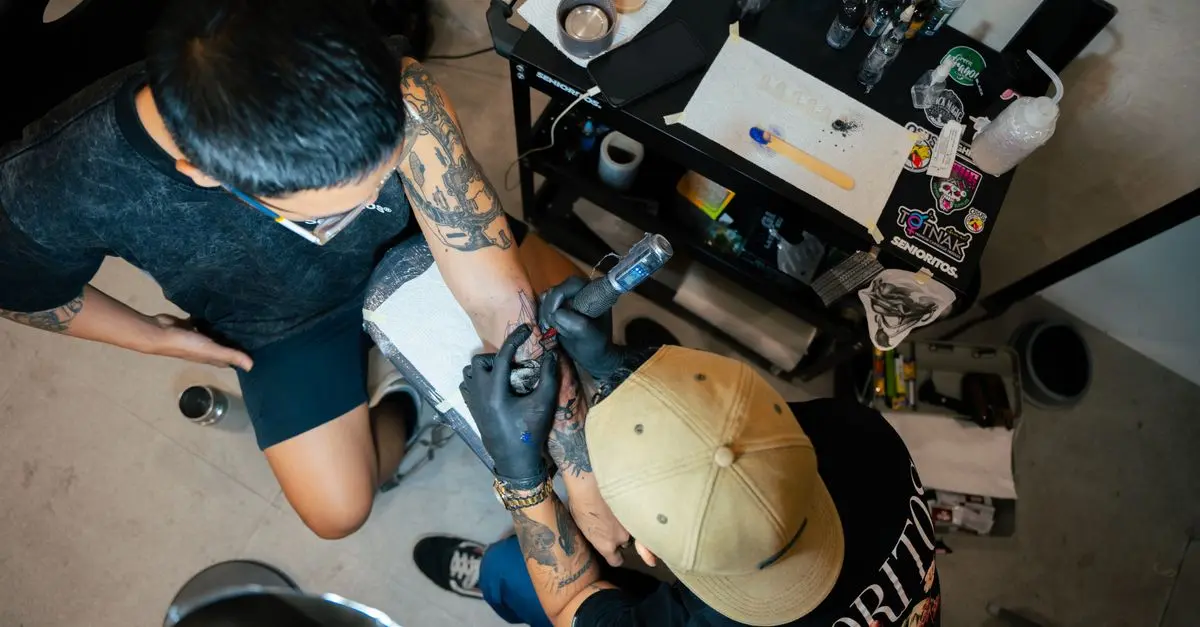
Tattoo culture in Britain has undergone a significant transformation over the years. Once regarded with scepticism, tattoos are now celebrated as a form of personal expression and artistry. This shift mirrors broader societal changes and highlights evolving perceptions of identity and aesthetics.
The Historical Roots of Tattooing in the UK
Tattooing in Britain can be traced back to the Iron Age, with evidence suggesting the Celts used body art for ritualistic purposes. The modern era of British tattooing began in the late 19th century when sailors returning from distant lands brought tattooing practices with them. These seafarers often adorned themselves with tattoos symbolising their travels and experiences, gradually integrating body art into British culture. According to Wikipedia, elements of Polynesian design heavily influenced these early tattoos.
Tattooing's Journey Through Public Perception
Throughout the 20th century, tattooing faced varied perceptions. Post-war Britain saw tattoos associated with rebellion and marginalised groups. However, the 1970s punk movement began reclaiming tattoos as a symbol of defiance and individuality. A study by INSEE in 2025 found that 30% of Britons under 30 had at least one tattoo, showcasing its growing acceptance.
Modern Tattoo Artistry and Techniques
Today's tattoo culture showcases diverse styles and techniques. Artists like Banksy and Tracey Emin have contributed to tattooing's recognition as an art form. Innovations such as 3D tattoos and the use of vibrant coloured inks illustrate the art's dynamic evolution. Many studios now boast bespoke designs, catering to a clientele seeking personal and meaningful body art.
Exploring the Cultural Significance of Tattoos
Tattoos in Britain are more than just body adornment; they represent personal narratives and cultural identity. From commemorative pieces to cultural symbols, tattoos serve as a canvas for stories. 60 Millions de Consommateurs reports that tattoos representing cultural heritage have seen a 20% rise in the past decade, indicating a shift towards tattoos with personal significance.
📺 Resource Video
> 📺 For further exploration: Exploring British Tattoo Artistry, a comprehensive insight into the UK's tattoo scene evolution. Search on YouTube: "British tattoo artistry overview".
The Societal Impact of Tattoo Culture
Tattoo culture's evolution signals changing attitudes towards body art in mainstream society. Workplaces are increasingly accepting of tattoos, reflecting broader shifts towards diversity and self-expression. According to a survey by UFC-Que Choisir, 78% of Britons believe tattoos are a legitimate form of art and personal expression.
Comparative Table of Tattoo Techniques
| Technique | Traditional | Watercolour | 3D | Realism |
|---|---|---|---|---|
| Definition | Classic style with bold lines | Soft, painterly technique | Trompe-l'œil effect | High detail and resemblance |
| Popularity | High | Growing | Rising | High |
| Pain Level | Medium | Low | High | High |
| Cost | Variable | Moderate | High | High |
Expert Insights on Tattoo Evolution
> 💡 Expert Opinion: "The evolution of tattoo culture in Britain reflects greater societal acceptance of diversity and self-expression. The artistic merit of tattoos is undeniable, pushing boundaries and integrating new techniques that challenge the traditional perceptions of body art," explains Dr. Sarah Foster, a sociocultural anthropologist.
Glossary
| Term | Definition |
|---|---|
| 3D Tattoo | A tattoo style creating an illusion of depth to mimic three-dimensionality. |
| Watercolour Tattoo | Tattoo technique using gradients and colours resembling a watercolour painting. |
| Realism Tattoo | Style focusing on creating realistic and lifelike images on the skin. |
Checklist Before Getting a Tattoo
- [ ] Research reputable tattoo artists within Britain.
- [ ] Decide on a meaningful design or theme.
- [ ] Consider placement and size for longevity.
- [ ] Discuss any skin allergies with the artist.
- [ ] Budget appropriately, considering potential for retouches.
Frequently Asked Questions
- What is the most popular tattoo style in Britain?
Realism and traditional styles remain popular, but watercolour and 3D designs are gaining traction.
- Are tattoos accepted in the British workplace?
Most workplaces in Britain have become more accepting of tattoos, particularly in creative and tech industries.
- How has tattoo culture changed in recent years?
There's a noticeable shift towards personalisation, with tattoos becoming a reflection of personal identity.
- Where can I find reliable data on tattoo culture trends?
Consider sources like UFC-Que Choisir and studies by INSEE for credible insights.
🧠 Quick Quiz: What era saw tattoos become associated with rebellion in Britain?
- A) 1950s
- B) 1970s
- C) 1990s
Answer: B — The 1970s punk movement embraced tattoos as symbols of defiance.