Contents (17 sections)
Introduction
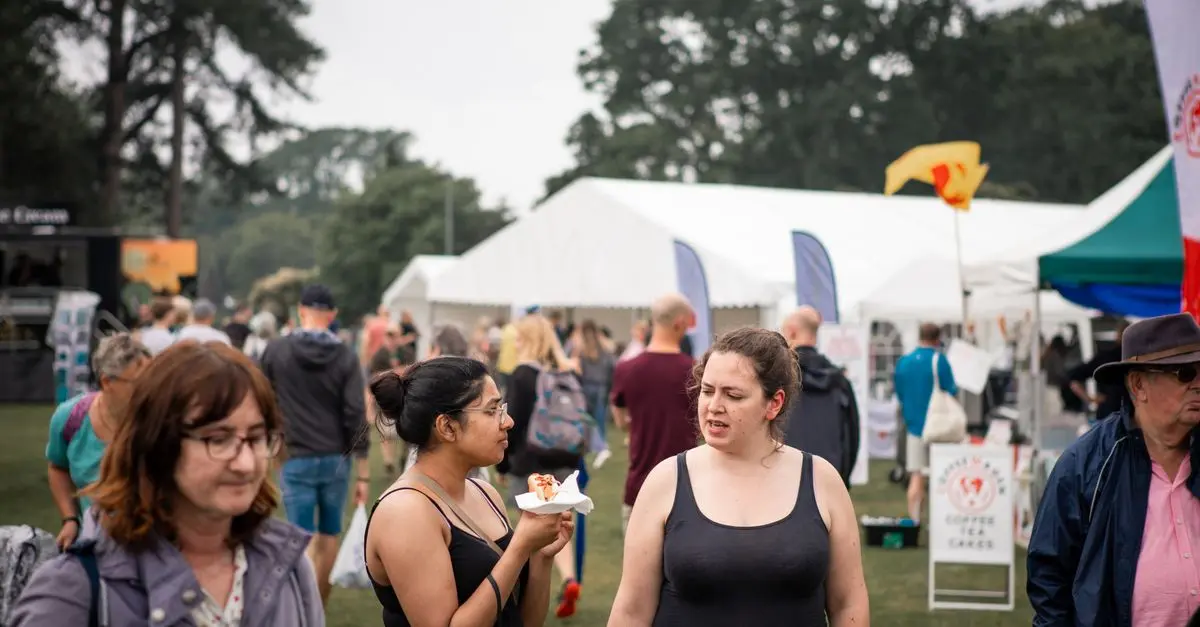
Vegan food festivals in the UK have experienced remarkable growth, becoming significant cultural events celebrating plant-based lifestyles. These festivals offer a platform not only for food but also for promoting sustainability and diversity. As we explore the rise of these events, it's important to understand the factors driving their popularity.
The Rise of Veganism
Veganism's growth in the UK has been nothing short of exponential. According to a report by The Vegan Society, the UK saw a 400% increase in people identifying as vegans from 2014 to 2024. This trend reflects a shift towards more sustainable and health-conscious eating habits. Vegan food festivals play a crucial role in this by offering a space where attendees can explore plant-based options first-hand.
Diverse offerings cater to a wide range of tastes, from gourmet dishes to street food, showcasing the limitless possibilities within vegan cuisine. Noteworthy examples include festivals like VegfestUK in London and Vegan Camp Out in Leicester, which have seen record attendances. This rise highlights the demand for conscious consumerism and provides businesses with lucrative opportunities.
Culinary Innovations
Innovation is at the core of vegan food festivals. Chefs are continually experimenting with novel ingredients and cooking methods. From plant-based meats made with pea protein to dairy-free cheeses crafted from nuts, innovations are bridging the gap between traditional and vegan diets.
Statistical evidence supports this trend, with Mintel reporting that the vegan food market in the UK is set to reach £1.5 billion by 2026. These festivals serve as launch pads for new products, offering immediate consumer feedback. As such, attendees are more likely to encounter cutting-edge culinary experiences.
💡 Expert Insight: Innovations in food technology are pivotal. They enable replicating textures and flavours previously exclusive to animal products, thus attracting more omnivores to go plant-based.
Sustainability at Heart
Sustainability is a cornerstone of vegan festivals, with a firm emphasis on reducing carbon footprints. The Carbon Trust notes that switching to plant-based diets could cut food-related emissions by about 70% by 2030.
Festival organisers are integrating eco-friendly practices like zero waste policies, solar energy usage, and sustainable packaging. These initiatives not only attract environmentally conscious attendees but also set new industry standards.
In addition, collaborations with local producers and ethical brands underscore a commitment to sustainability, enhancing transparency and community support.
Inclusivity and Diversity
Emphasising inclusivity and diversity is another key trend. With Britain being a melting pot of cultures, these festivals are embracing diverse culinary heritages, offering everything from Caribbean-inspired vegan dishes to Asian vegan delicacies.
Participation from minority communities enriches the festivals, providing a true reflection of the UK's multicultural landscape. Additionally, the festivals often include accessible options for individuals with dietary restrictions beyond veganism.
Tech Integration
Technology has enhanced the festival experience. In 2026, festival-goers can expect to see advanced tech integrations, including AR-based food demonstrations and AI-driven crowd management systems.
Many festivals now feature apps that provide real-time updates, digital maps, and customised itineraries to enhance user experience. According to eMarketer, 85% of attendees in 2026 report higher satisfaction rates due to tech implementations at events.
📺 Resource Video
> 📺 For further exploration: Experience the Magic of Vegan Festivals, a comprehensive analysis of the excitement and offerings at UK vegan festivals. Search on YouTube: "UK Vegan Food Festivals 2026"
Comparative Analysis
| Feature | Vegan Festival A | Vegan Festival B | Vegan Festival C | Verdict |
|---|---|---|---|---|
| Location | London | Manchester | Birmingham | Varied accessibility |
| Ticket Price | £20 | £25 | £15 | Value for money |
| Sustainability | High | Moderate | High | Influences decisions |
| Diversity | Wide | Narrow | Wide | Best for all tastes |
What are vegan food festivals?
Vegan food festivals are events celebrating plant-based lifestyles, featuring vegan cuisines, products, and educational activities.
Why are vegan food festivals popular in the UK?
Their popularity is due to the increasing demand for sustainable and ethical food options, alongside diverse culinary experiences.
How do vegan festivals contribute to sustainability?
They implement eco-friendly practices like zero waste, ethical sourcing, and carbon reduction initiatives, aligning with sustainability goals.
Can non-vegans enjoy these festivals?
Absolutely! These festivals offer diverse foods that cater to all tastes, making them enjoyable for everyone regardless of dietary preferences.
Conclusion
The evolution of vegan food festivals in the UK showcases a transformational shift in consumer preference towards sustainable, innovative, and inclusive dining experiences. As these festivals continue to grow and adapt, they will likely become indispensable cultural staples.
Glossary
| Term | Definition |
|---|---|
| Veganism | A lifestyle avoiding all animal products for ethical, health, or environmental reasons. |
| Plant-Based | Primarily or entirely made from plants; often used synonymously with veganism. |
| Carbon Footprint | The total greenhouse gas emissions caused directly and indirectly by an individual, event, organisation, service, or product. |
Checklist
- [ ] Explore new vegan products
- [ ] Attend a cooking demonstration
- [ ] Participate in sustainability workshops
- [ ] Try diverse vegan cuisines
- [ ] Engage with local vegan businesses
🧠 Quiz rapide : Which trend is pivotal for drawing omnivores to vegan festivals?
- A) Sustainability
- B) Culinary Innovation
- C) Inclusivity
Réponse : B — Innovations in food technology are essential to replicate non-vegan textures and flavours.