Contents (10 sections)
Introduction to British Railways
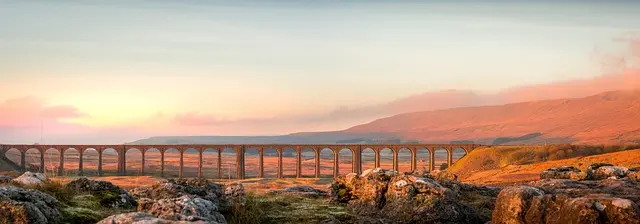
The history of British railways is a fascinating tale of innovation, ambition, and impact on society. The railways' development marked a significant shift in transport, industry, and culture over the past two centuries. According to Wikipedia, the birth of railways in Great Britain laid the groundwork for advancements in both engineering and travel.
Early Development and Industrial Revolution
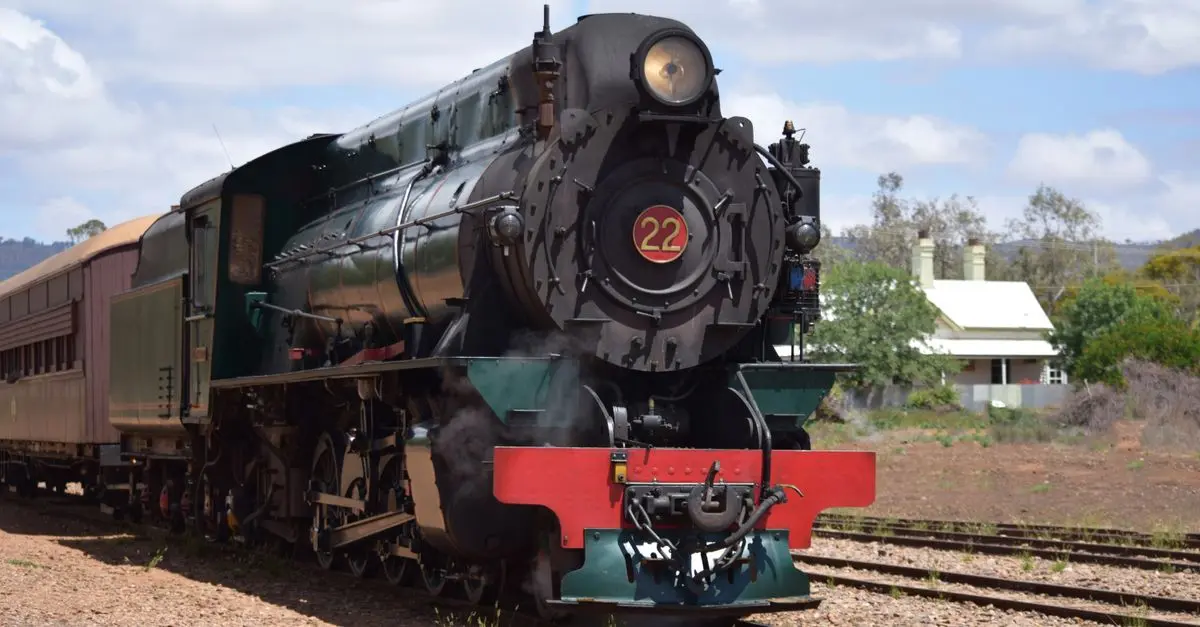
The origins of British railways can be traced back to the early 19th century, during the Industrial Revolution. The need for more efficient transportation of goods and raw materials led to the construction of the first railway lines. George Stephenson, often regarded as the "Father of Railways," played a pivotal role in this era with his creation of the Stockton and Darlington Railway in 1825. This period set the foundation for rapid industrial growth and urbanisation.

The Golden Age of Rail
The mid-19th century marked the Golden Age of Rail, characterised by rapid expansion and the establishment of iconic railway companies like the Great Western Railway and London and North Eastern Railway. By the 1870s, rail networks connected most major cities in Britain, transforming the nation’s economy and enabling the mass movement of people. The Guardian reported that the railways significantly shortened travel times, propelling the growth of tourism and societal changes.
Modernisation and Challenges
Fast forward to the 20th century, British railways faced numerous challenges, including competition from road transportation. The 1960s saw the controversial Beeching Report, which resulted in widespread closures of railway lines deemed unprofitable. Despite this, modernisation efforts continued, with electrification projects and the introduction of high-speed trains such as the InterCity 125 in the 1970s. In recent years, initiatives like HS2 aim to revolutionise rail travel once again by providing faster links between major cities.
Impact on Society and Culture
The impact of British railways extends beyond transportation. Railways have historically influenced British art, literature, and society. Authors like Charles Dickens vividly depicted trains and rail travel, showcasing their significance in shaping cultural narratives. Furthermore, the evolution of railways symbolises progress and innovation in British history.
💡 Avis d'expert: "British railways continue to shape the future of transport, adapting to new technological and environmental challenges. Their role is crucial in building sustainable urban environments." — Dr. Jane Price, Transport Historian
📺 Ressource Vidéo
> 📺 Pour aller plus loin : History of British Railways, une analyse complète de l'évolution et de l'influence des chemins de fer britanniques. Recherchez sur YouTube : "British Railways History Documentary".
- What were the first railways in Britain?
The Stockton and Darlington Railway, established in 1825, was the first public railway in Britain.
- How did railways impact British economy?
Railways revolutionised the transport of goods and people, boosting industrial growth and regional connectivity.
- What is the Beeching Report?
A 1963 report that led to the closure of many railway lines to cut costs and focus on profitable routes.
- What are current railway projects in the UK?
Initiatives like HS2 aim at improving rail transport with high-speed connections.
Glossary
| Terme | Définition |
|---|---|
| Stockton and Darlington Railway | The first public railway to use steam locomotives, opened in 1825. |
| Beeching Report | A 1963 report recommending the closure of underused railway lines in the UK. |
| InterCity 125 | A high-speed train introduced in the 1970s for faster passenger travel. |
🧠 Quiz rapide : What was the impact of the Beeching Report?
- A) Expansion of railways
- B) Closure of many lines
- C) Introduction of steam engines
Réponse : B — Led to the closure of underutilised railway lines to increase efficiency.