Contents (10 sections)
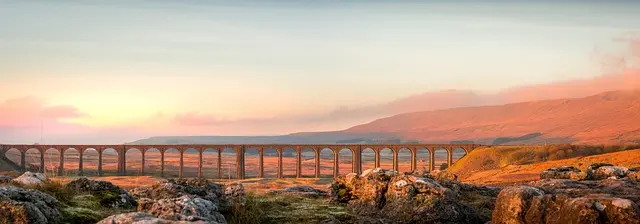
World Heritage Sites are renowned for their cultural, historical, or natural significance. The United Kingdom, with its rich history and diverse landscapes, hosts several such sites recognised by UNESCO. These sites are not just symbols of the country's past but also crucial for understanding human history and environmental evolution.
Understanding these sites' importance offers a glimpse into the past, helping us preserve our heritage for future generations. Each site tells a unique story, contributing to the UK's cultural tapestry.
What Makes a Site a 'World Heritage Site'?
To be classified as a World Heritage Site, a location must meet specific criteria established by UNESCO. These criteria include cultural significance, uniqueness, and authenticity. A site must either represent a masterpiece of human creative genius, exhibit an important interchange of human values, or be an outstanding example of a type of building or landscape.
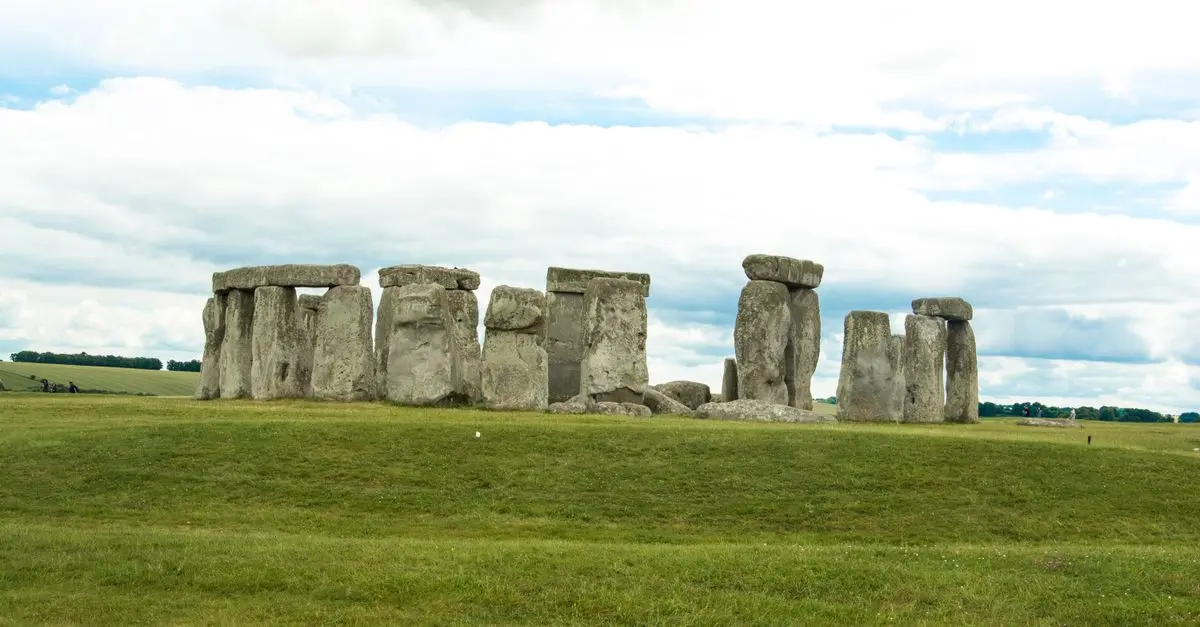
In the UK, sites such as Stonehenge, the Tower of London, and the Giant’s Causeway embody these principles. Their preservation is vital, not only for their historical value but also for educational purposes.
The Process of Designating a Site
The designation of a World Heritage Site involves a rigorous process. It starts with a country submitting a tentative list to UNESCO. Experts then evaluate the site based on cultural, historical, or natural criteria. If it meets the standards, it becomes inscribed on the World Heritage List.
In 2026, the UK has numerous sites under consideration, reflecting the continuous effort to preserve its legacy. This procedure ensures that these global treasures receive the attention they need for conservation.
A Comparative Look at UK World Heritage Sites
| Site Name | Location | Type | Year Inscribed |
|---|---|---|---|
| Stonehenge | Wiltshire | Cultural | 1986 |
| Tower of London | London | Cultural | 1988 |
| Giant’s Causeway | Antrim | Natural | 1986 |
| Edinburgh Old Town | Scotland | Cultural | 1995 |
Why Visit UK World Heritage Sites?
Visiting these sites is not just about sightseeing; it's a venture into history’s corridors. For instance, Stonehenge ignites the curiosity about Neolithic human settlements, while the Tower of London provides insights into medieval Britain.
Tourism in these areas boosts local economies and provides educational opportunities for visitors. However, it is also essential to engage in responsible tourism to help maintain these sites' integrity.
💡 Avis d'expert : According to Dr. David Jones, a leading historian, “The preservation of World Heritage Sites is crucial for maintaining cultural diversity and promoting historical awareness globally.”
📺 Ressource Vidéo
📺 Pour aller plus loin : Explore Britain's Heritage, a comprehensive analysis of World Heritage conservation efforts in the UK. Recherchez sur YouTube : "UK world heritage sites documentary"
- What are World Heritage Sites in the UK?
World Heritage Sites in the UK are locations recognised by UNESCO for their cultural, historical, or natural importance.
- Why are these sites important?
They preserve history, attract tourism, and contribute to educational understanding of past civilisations.
- How many World Heritage Sites are there in the UK?
As of 2026, the UK hosts 33 World Heritage Sites.
- Can I visit these sites all year round?
Most sites are open to visitors year-round but check individual site schedules for specific details.
Glossaire
| Terme | Définition |
|---|---|
| Heritage | Legacy or tradition inherited from the past. |
| UNESCO | United Nations Educational, Scientific and Cultural Organization. |
| Conservation | The preservation, protection, or restoration of the natural or built environment. |
- [ ] Plan your visit in advance, considering seasonal availability.
- [ ] Respect the preservation efforts by following site-specific guidelines.
- [ ] Engage with local guides to enhance your learning experience.
- [ ] Prioritise visiting lesser-known sites to avoid crowds.
- [ ] Capture the essence through photographs and journals.
Conclusion
Understanding and appreciating the UK's World Heritage Sites not only enhances cultural awareness but also supports preservation efforts. Each site offers a unique narrative that contributes to the broader human experience. Visiting these sites enriches our understanding of the past while ensuring its accessibility for future generations.