Contents (9 sections)
Understanding Pop-Up Markets
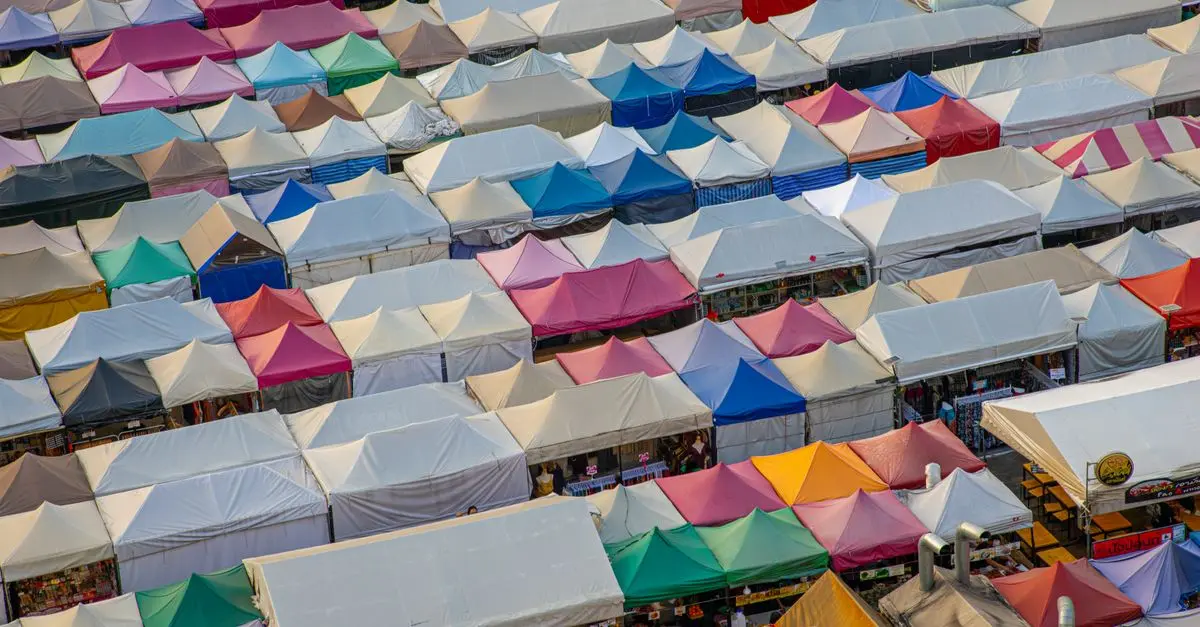
Pop-up markets, a sensation sweeping across the UK, present an extraordinary blend of culture, commerce, and creativity. These temporary markets emerge in unconventional spaces such as rooftops, street corners, and even parks, transforming into bustling hubs of activity. But what truly sets them apart is their transient nature, often appearing and disappearing within days or weeks. This ephemeral quality injects excitement and urgency, drawing locals and tourists alike. According to a report by Mintel, pop-up retail in the UK has seen an annual growth rate of 8% since 2023, indicating their rising popularity.
How to Find Unique Pop-Up Markets
Locating these hidden gems may seem daunting, but several strategies can ensure success. Begin your hunt by exploring social media platforms—many organisers promote upcoming events on Instagram and Facebook. Join local community groups where members share insights into forthcoming markets. Another valuable resource is dedicated websites like "Pop Up Go" which list market events across various cities. This guide will ensure you never miss out on these vibrant happenings and their ever-evolving offerings.
Differences Between Traditional Markets and Pop-Ups
| Feature | Traditional Markets | Pop-Up Markets | Verdict |
|---|---|---|---|
| Duration | Permanent | Temporary | Experience different offerings with pop-ups |
| Location | Fixed | Flexible | Pop-ups bring convenience and novelty |
| Merchandise | Standardised | Unique & Diverse | Discover exclusive items at pop-ups |
| Community | Established | Emerging | Engage with new creators |
Trends and Statistics of Pop-Up Markets
The rise of pop-up markets has sparked intriguing trends. Recent data from Springboard shows a 35% increase in foot traffic for pop-up locations. These markets often act as incubators for startups, providing them with a low-risk platform to test products. This trend has been especially beneficial in urban areas like London's Shoreditch, where young entrepreneurs showcase sustainable fashion and eco-friendly products. A significant statistic reveals that 65% of vendors at pop-up markets are small businesses, emphasising their role in supporting local economies.
FAQ About Pop-Up Markets
- What is a pop-up market?
Pop-up markets are temporary marketplaces that appear in varied locations, offering unique and diverse products.
- Why are pop-up markets popular?
They provide a platform for creativity, offering exclusive products and a fresh shopping experience.
- Where can I find pop-up markets in the UK?
Check social media, local groups, and websites like "Pop Up Go" for event listings.
- How long does a pop-up market last?
Typically, they operate anywhere from a single day to a few weeks, depending on the venue and organiser.
📺 Resource Video
> 📺 For more insight: Exploring the World of UK Pop-Up Markets, a comprehensive analysis of this trending retail format. Search on YouTube: UK pop-up markets overview.
Glossary
| Terme | Définition |
|---|---|
| Pop-Up Market | A temporary market operating in a flexible location offering unique goods. |
| Foot Traffic | The number of people visiting a particular location, essential for market analysis. |
| Vendor | An entity that sells goods or services within a market. |
Checklist Before Visiting a Pop-Up Market
- [ ] Verify the market's schedule and location.
- [ ] Research participating vendors for exclusive deals.
- [ ] Prepare cash or digital payment options.
- [ ] Follow social media updates for surprise events.
- [ ] Plan your visit timing to avoid crowds.
In conclusion, pop-up markets are more than shopping venues; they are vibrant experiences that blend community, culture, and commerce. Engage with local entrepreneurs, discover exclusive products, and enjoy the spontaneity that these markets bring.
💡 Expert Opinion: The rise of pop-up markets reflects a shift in consumer behaviour towards unique experiences. According to retail expert Sarah Clayton, "Pop-ups cater to the growing desire for personalised shopping, making them vital for today's economy."